Vimalakirti’s Open Heart Sutra:
A Dharma Class offered by Rev. Catherine Spaeth at Mud Lotus, 17 East Tulane Road,
From October 25th through November 22nd in Columbus, Ohio
Continue reading below for more information
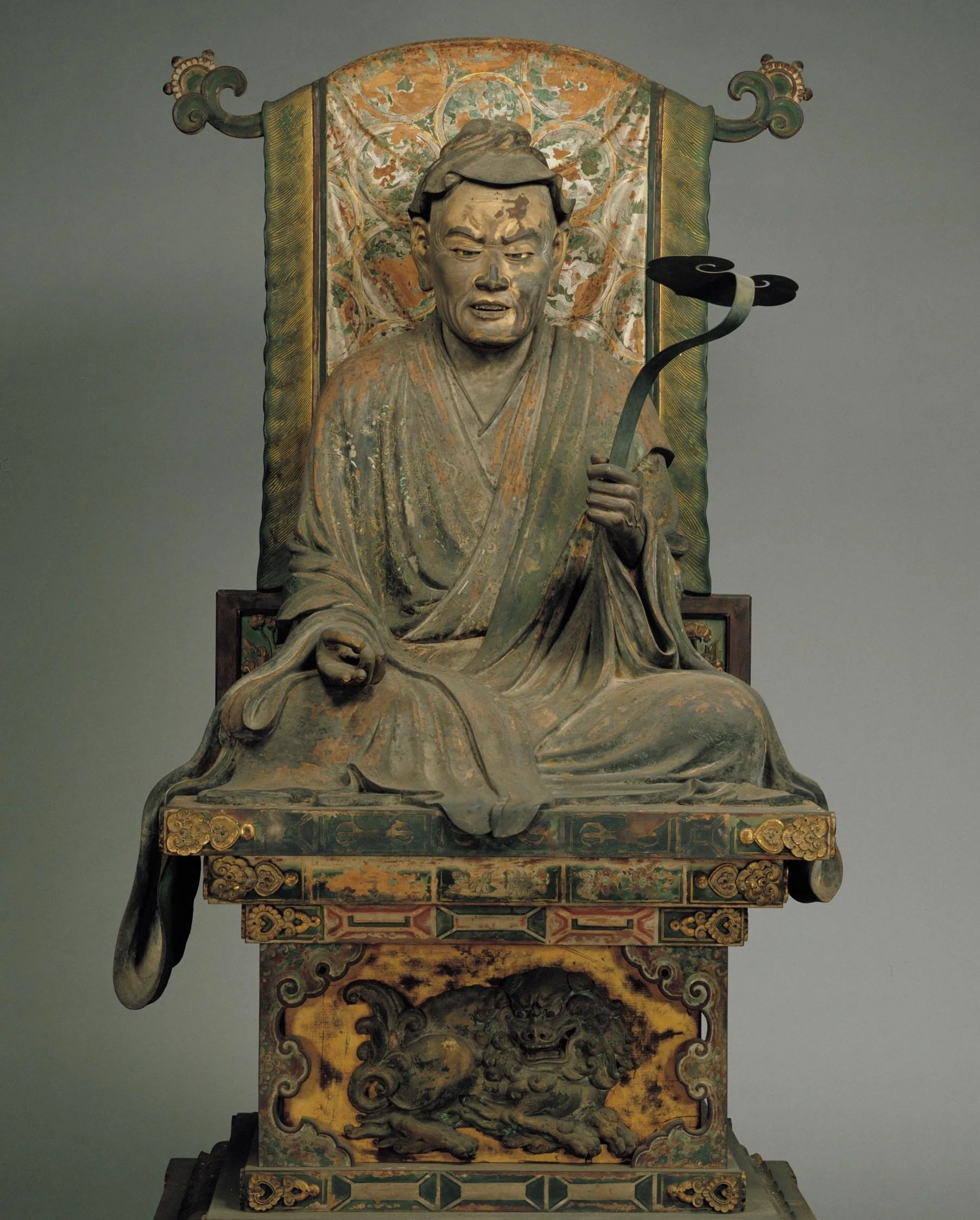
Written over 2,000 years ago the Vimalakirti Sutra is rare in how it joins human suffering and awakening in non-duality. This is a profound understanding of what emptiness means in the Mahayana tradition. With a warm sense of humor and a delight in the fantastic, this sutra raises a delicate question for us today - what does it mean to live in a world where samsara and nirvana are one?
Like a great physician, Vimalakirti expounds from the sickbed. In these discussions we see ourselves in others, and are bodhisattvas training in compassion and skillfulness for the liberation for all beings as we do so.
Schedule and Further Details:
Sunday, October 25th, 7:00-9:00pm ILLIO, in-person and on zoom
November 1st, One-Day-Sit at Sharon Woods Metro Park, followed by 7:00-9:00pm ILLIO, in-person and on zoom
November 8th, 7:00-9:00pm ILLIO, in-person and on zoom
November 15th, 7:00-9:00pm ILLIO, in-person and on zoom
November 22nd, 7:00-9:00pm ILLIO, in-person and on zoom
During these two hour sessions we will begin with a period of zazen, a preamble offered by the teacher, followed by a discussion that grows from your own questions and understandings of the text. There is an expectation that you have read the teachings, and that when you engage in the discussion you are able to refer to them quite directly as a text.
Notice that there is an option to participate in the Vimalakirti Sutra class online. There is the understanding that you are engaging with the Mud Lotus Practice Period that is offered. This means that you are coming to sit zazen with others, are signing up for one day sits and will participate in some or all of the commuter sesshin. Since these classes are spread out over a long period of time, it is understood that there are ways in which you might not be able to attend each one in person, however please try to do so!
Suggested Donation:
The suggested donation is $100.00 with the understanding that some will be able to offer less due to circumstances. If you are able to, please consider offering more as general support for continuous dharma. The main thing is to wholeheartedly participate - this is how we support others. Dana is wholehearted participation in many forms, including whether one can attend this class or not. Thank you for your support!
Required Text and Optional References
Our main text will be John McRae’s, available in the link below. This was found at the website BDK America, a wonderful resource, which lists books for sale and free pdf downloads. This is the most recent translation into English and by a scholar who I admire. The numbered paragraphs are convenient for our discussions.
You won’t need the other translations, which are listed below. However it is helpful to compare them and I will be doing this. Recommended, however, are these two commentaries by Thich Nhat Hanh and Joan Sutherland, both excellent:
Vimalakirti and the Awakened Heart: A Commentary on the Sutra the Vimalakirti Speaks, Joan Sutherland, Cloud Dragon c. 2016. Referring to “endarkenment”, Joan Sutherland hones in on how suffering is not what we get rid of but where our awakening happens. This is the Bodhisattva’s true heart.
The Bodhisattva Path: Commentary on the Vimalakirti and Ugrapariprccha Sutras, Thich Nhat Hanh, Bikhsuni True Virtue, trans, Plam Leaves Press, c. 2022. These are from dharma talks that Thich Nhat Hanh gave in 1991, translated from Vietnamese.
Other translations:
The Vimalakirti Sutra, Burton Watson, translator, Columbia University Press, c.1997, translation of Kumarajiva’s version. Most people are familiar with this one.
Ordinary Enlightenment: A Translation of The Vimalakirti Nirdesa Sutra, Charles Luk, trans., Shambhala, originally published in 1972. This one has footnotes, I will be referring to these.
The Holy Teaching of Vimalakirti: A Mahayana Scripture, Robert A.A. Thurman, translator, Pennsylvania State University, c. 1976. This was translated from the Tibetan version, which was later than Chinese translations. Writing and literacy in Tibet began around 655, in response to needs of a growing government and military. (Interesting: Buddhism began instrumental in the formation of government in a way that it did not in China, which had strong government already.)
For an audio option of the above, there is a good series of readings by Robert Thurman available here, you can pay as little as $20 for access to them: https://thusmenla.org/p/vimalakirtis-sutra